

The Turbine Acquisition Program
& Asset-for-Equity Investment Structure
The Distressed Asset Landscape
Power Properties monitors the following channels nationwide to identify stranded assets before they reach open auction:
• FERC Interconnection Filings — Projects that filed for interconnection but have since gone inactive or been formally withdrawn
• ISO/RTO Queue Cancellations — Withdrawals from ERCOT, PJM, MISO, CAISO, SPP, NYISO, and ISO-NE interconnection queues
• Chapter 11 & Bankruptcy Proceedings — Energy project bankruptcies across all federal districts where turbines are listed as liquidation assets
• State PUC Withdrawals — Cancelled projects that have filed formal withdrawal notices with state public utility commissions
• SEC 8-K Impairment Filings — Public company disclosures of power project cancellations and asset write-downs
• Trade Publication Monitoring — Power Magazine, Gas Turbine World, S&P Global Platts, and Heatmap News
• Direct Industry Relationships — Developer and EPC contractor networks across all 50 states
When a red flag is identified, Power Properties initiates direct outreach within 48 hours — before the asset reaches a broker, auction platform, or secondary market.
Speed is the advantage. Stranded asset owners benefit most from a fast, certain transaction — not a drawn-out auction process.
What Power Properties Buys
Power Properties acquires a wide range of power generation assets from distressed or cancelled projects. The table below outlines asset types, capacity ranges, and our acquisition priority:
Acquisition Program
The energy transition has created an unprecedented supply of stranded generation assets across the United States. Gas turbines ordered for power plants that were never built. Diesel generator fleets sitting in yards after projects collapsed. Power purchase agreements with no counterparty. These assets have real value — and their owners often have no clear path to recovery.
Power Properties was built for exactly this moment.
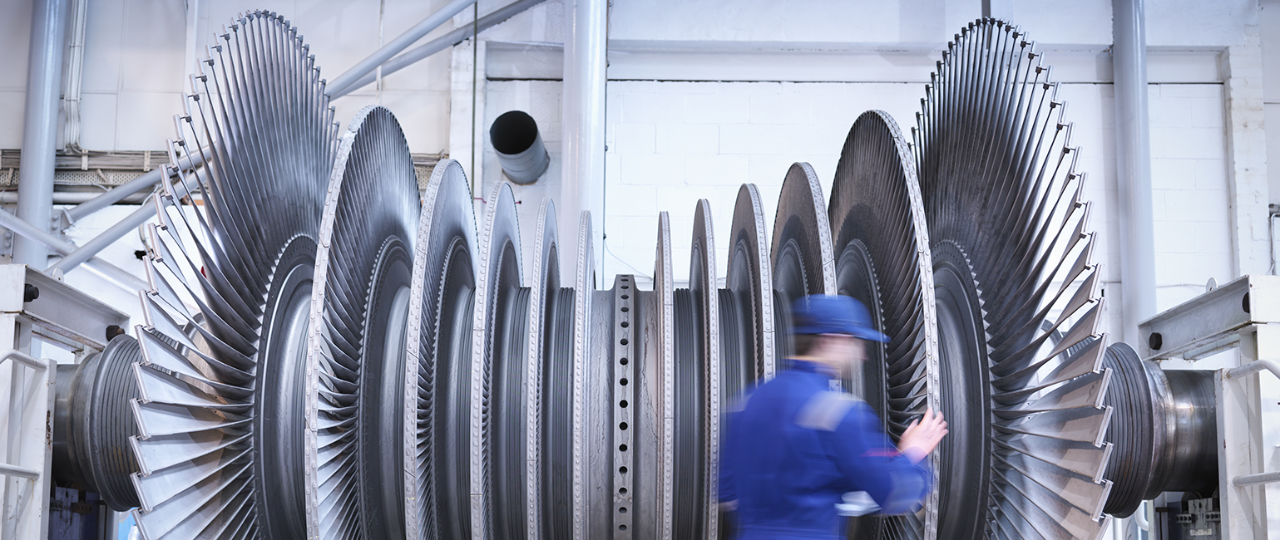
The TRL Turbine Acquisition Program is a nationwide initiative to acquire cancelled, stranded, or distressed power generation assets — and in many cases, to offer original owners something better than a liquidation check: a stake in the projects where their assets go to work.
"Your stranded turbines could become equity in the next generation of AI-era power infrastructure."
We buy. We build. We operate. And if you want to participate in what we build, we have a structure for that
-
GE, Siemens, Mitsubishi & others
50MW–600MW+
-
GE LM6000, RR Trent 60, PW FT8
25–65MW
-
CAT, Cummins, MTU, AGGREKO fleets
1–50MW
-
Stranded PPAs from cancelled projects
Any size
-
Heavy fuel oil or dual-fuel units
5–100MW
-
Capstone, Ingersoll Rand
0.5–10MW
Case by Case
Note: Assets do not need to be new or recently manufactured. We evaluate each asset on condition, remaining useful life, and deployment fit. Turbines with 15–25 years of remaining service life are actively sought with maintenance history.
Turn Your Stranded Assets Into a Project Stake
For developers and asset owners who believe in the long-term value of power infrastructure — but need a path out of a failed project — Power Properties offers something beyond a cash sale: equity participation in the very projects where your assets are deployed.
"Instead of selling at distressed prices, contribute your assets to a project that will generate power revenue for 20+ years."
How the Asset-for-Equity Structure Works
When a seller chooses to contribute their assets as equity rather than sell outright, the transaction works as follows:
A third-party engineering firm independently appraises assets to establish fair market value
The appraised value is converted to an equity percentage in the specific TRL Power Properties project, where the assets will be deployed
The equity holder receives a proportional share of project-level cash flows — power purchase agreement revenue, capacity payments, and ancillary services income
On project sale, recapitalization, or platform aggregation, equity holders participate in the exit proceeds
Equity positions are memorialized in a formal project operating agreement with defined rights, distributions, and exit mechanics
Why Choose Equity Over Cash?
The case for equity participation is straightforward: distressed asset prices reflect the seller's difficult position — not the asset's true productive value. Once deployed in a BTM power plant serving a data center on a 15-year PPA, those same turbines generate income worth multiples of their distressed acquisition price.
Equity participation lets original asset owners capture that upside — while TRL handles 100% of the development, permitting, construction, operations, and capital raising.
You provide the asset. We provide everything else
Distressed Prices Don't Reflect What Your Assets Are Worth in Production
A gas turbine sold at auction from a cancelled project might clear at 30 to 50 cents on the dollar. That same turbine installed in a behind-the-meter power plant serving a hyperscale data center on a 20-year PPA generates power revenue that values the unit at multiples of its acquisition price.
The equity option exists because we believe the original owners of these assets deserve the opportunity to capture that value — not just the investors who buy distressed assets and wait.
Power Properties handles 100% of the development execution: site acquisition, permitting, engineering, construction management, financing, and long-term operations.
You provide the asset. We build the project around it.
Our Process
Submit Asset Details
.Complete our online form with asset specifications, location, condition, and your preferred transaction structure. Takes approximately 10 minutes.
Preliminary Review
Our technical and development team reviews your submission within 48 hours and reaches out to discuss next steps and any clarifying questions
Valuation & Term Sheet
We engage our independent engineering appraisers and issue a formal term sheet — cash offer, equity structure, or hybrid — within 10 to 14 days of initial contact.
Due Diligence
A brief technical inspection, title review, and environmental check. We take the lead on logistics and coordination. Most straightforward transactions clear due diligence in 2 to 3 weeks.